



MULTISECTORAL NEEDS ASSESSMENT- IV
TARTOUS & LATAKIA
(NOVEMBER 2025)
MULTISECTORAL NEEDS ASSESSMENT- IV: TARTOUS & LATAKIA (NOVEMBER 2025)
HIGHLIGHTS FOR TARTOUS AND LATAKIA GOVERNORATES
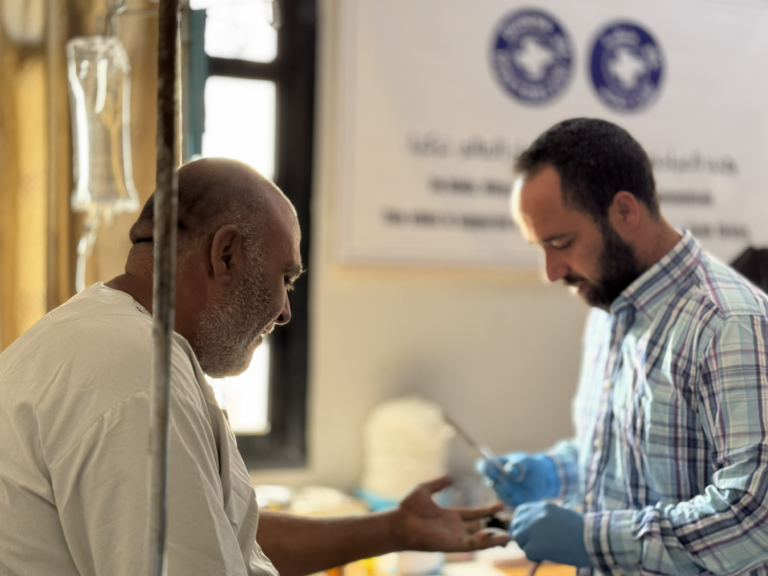
- HEALTH SYSTEM AT BREAKING POINT: Half of the interviewed households had a sick family member recently; 12% cannot access the needed care.
- MEDICATION CRISIS: Up to 99% must purchase their own medicines; 10% skip treatment entirely due to cost.
- MATERNAL HEALTH WARNING: Nearly 1 out of 5 pregnancies ends in loss.
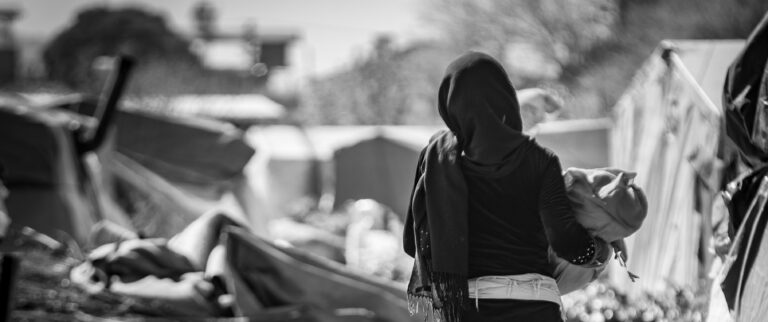
- SILENT CHILD MALNUTRITION RISK: 1 out of 3 families lacked sufficient food or money to purchase food last week; only 4–6% receive food/cash aid.
- POST-NATAL CARE COLLAPSING: Two-thirds of mothers and infants in Tartous receive no postnatal care.
- MENTAL HEALTH CRISIS: More than half of adults report emotional distress; professional MHPSS is nearly absent.
- HUMANITARIAN VACUUM: 95% of households received no humanitarian assistance in the last six months.
- WORKING WITHIN POOR CONDITIONS: Employment does not protect families from food insecurity.
- INFANTS AT RISK: 32% of the mothers struggle to feed infants adequately.
- BEHIND THE “STABILITY” NARRATIVE: Coastal Syria faces a hidden humanitarian deterioration driven by collapsing services and limited availability of humanitarian support.
NEW REPORT REVEALS “SILENT CRISIS” IN COASTAL SYRIA: HEALTH SYSTEMS ALARMING IN TARTOUS AND LATAKIA
ISTANBUL, TÜRKİYE. November 27, 2025.
A new multi-sectoral needs assessment (MSNA) released by Dünya Doktorları (DDD)/Médecins du Monde (MdM) Türkiye for November 2025 exposes a rapidly deepening humanitarian emergency in the Syrian coastal governorates of Tartous and Latakia. While often perceived as “stable” former government-controlled areas relatively distant from active hostilities, the report reveals a “silent crisis” driven by economic collapse, failing public services, and a severe “humanitarian vacuum”.
Dispelling the “Stability” Narrative
“The perception of stability in coastal Syria has created a dangerous blind spot in the humanitarian response,” said Masoud Yousef, Syria Country Director for Dünya Doktorları/Médecins du Monde Türkiye.
“We are witnessing a ‘silent crisis’ where the absence of falling bombs does not mean the absence of suffering. With health systems at a breaking point and families unable to afford basic medicine, the international community must recognize that economic collapse can be just as deadly as conflict.”
Data collected from 641 households across the region indicates that while large-scale conflict is absent, vulnerability is widespread and acute. The crisis is fueled by economic deterioration rather than displacement, creating a scenario where employment no longer protects families from food insecurity. The assessment starkly highlights that 95% of households have received no humanitarian assistance in the last six months, leaving the population to cope alone amidst failing infrastructure.
Health Systems at a Breaking Point
The collapse of the health sector is among the report’s most alarming findings. Despite the region not being a frontline zone, 54% of households reported illness in the past three months.
- Access Barriers: Only 40% of households can reliably access healthcare, while 12% are completely cut off from needed care.
- Medication Crisis: A staggering 99% of patients must purchase their own medicines, leading 13% of individuals to skip treatment entirely due to prohibitive costs.
- Chronic Disease: Non-communicable diseases are rampant, with 75% of those with chronic conditions suffering from hypertension and 46% from diabetes.
Maternal and Infant Health Emergency
The report issues a severe warning regarding maternal and reproductive health. Weakened obstetric care and unmanaged diseases have led to critical outcomes:
- Pregnancy Loss: Nearly 1 out of 5 pregnancies (18%) ends in loss, a rate substantially above emergency threshold.
- Post-Natal Gaps: Post-natal care is collapsing, particularly in Tartous, where two-thirds of mothers and infants receive no follow-up care.
- Infant Nutrition: 32% of mothers report struggling to feed their infants adequately.
Food Insecurity and Mental Health
The economic fallout has severely impacted daily survival. One out of three families reported lacking sufficient food or money to purchase food in the week prior to the survey. This instability has precipitated a mental health crisis, with more than half of adults reporting emotional distress while professional psychosocial support remains nearly absent.
About the Assessment
This MSNA was conducted by DDD/MdM Türkiye in November 2025, surveying a representative sample of the economically active population in Latakia and Tartous. The findings aim to shed light on the hidden humanitarian deterioration in coastal Syria that remains largely obscured by the narrative of stability.
About Dünya Doktorları/Médecins du Monde Türkiye
Dünya Doktorları (DDD) is a Türkiye-based civil society organization that facilitates universal access to healthcare services for communities affected by armed conflict, violence, natural disasters, disease, famine, poverty and social exclusion.
DDD implements humanitarian projects in Türkiye’s Hatay and İzmir, focusing on primary health care, mental health and psychosocial support services, and protection to respond to the needs of displaced populations and strives to meet the health needs of vulnerable people around the world.
As the 16th member of the Médecins du Monde (Doctors of the World) International Network, DDD responds to humanitarian crises in the regions where it operates from the heart of the crisis, building the necessary health infrastructure to provide long-term and sustainable health care to affected populations. DDD began its work in Syria in 2018, providing primary healthcare, sexual and reproductive health, mental health and psychosocial support, and social protection services to internally displaced people affected by the war that erupted in 2011. Since then, during the 14 years of conflict in Syria, DDD has carried out numerous medical and humanitarian activities to provide access to health care and humanitarian assistance to the war-torn population. The complexity of the war, as a result of multiple actors fighting in the region, limited access to resources, direct attacks on medical personnel and health facilities, and great needs, has led to a humanitarian response that has been conducted under equally complex and challenging conditions.
DDD continues to provide humanitarian assistance directly or through partnerships with nine health centers in Aleppo and three in Idlib to ensure access to healthcare for people affected by the war in Syria.
PRESS CONTACT
- Press contact [email protected]