

“ONE YEAR ON FROM THE EARTHQUAKES IN TÜRKİYE, TRAUMA IS STILL WITH US”
For the report and podcast in French: https://www.radiofrance.fr/franceculture/podcasts/le-reportage-de-la-redaction/turquie-un-an-apres-le-seisme-le-traumatisme-toujours-present-6310840
© Bakr Al Kasem for Dünya Doktorları
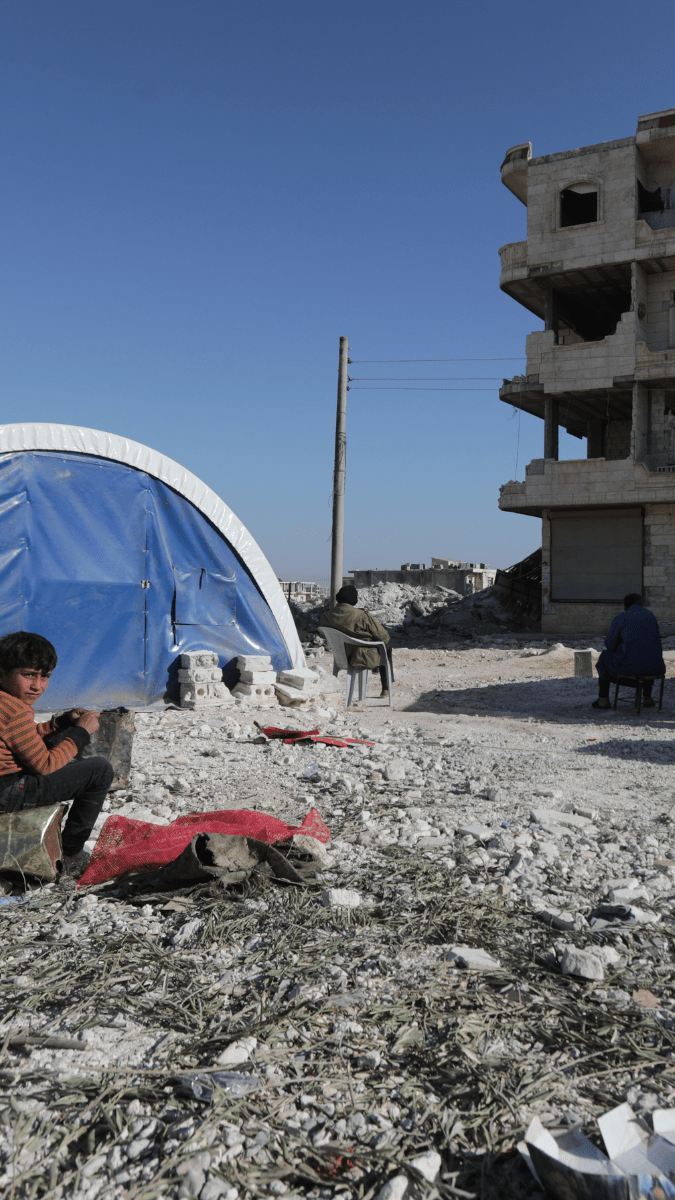
One year after the double earthquake that devastated 11 Turkish provinces in the south-east of the country and killed more than 57,000 people, the towns are still under construction, but the psychological reconstruction of the survivors is also a colossal challenge.
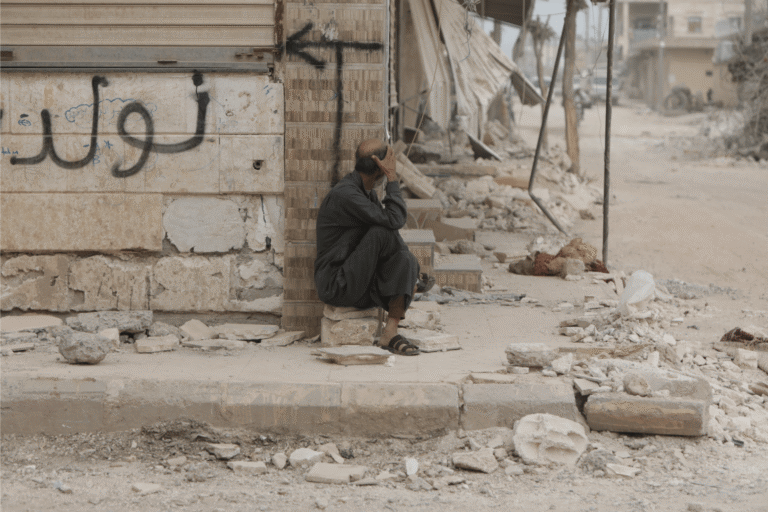
The city of Antioch is still a huge building site, with rubble next to large stone fields awaiting reconstruction, but the psychological needs of the survivors, still traumatised a year after the very violent earthquake. In one district of the city, Dünya Doktorları (DDD), supported by the French Development Agency, has opened a centre for women and children.
© Onurhan Pehlivanoğlu, Dünya Doktorları
While the town of Antioch is still a huge building site, with rubble next to large stone fields awaiting reconstruction, the psychological needs of the survivors are still traumatised a year after the devastating earthquake.
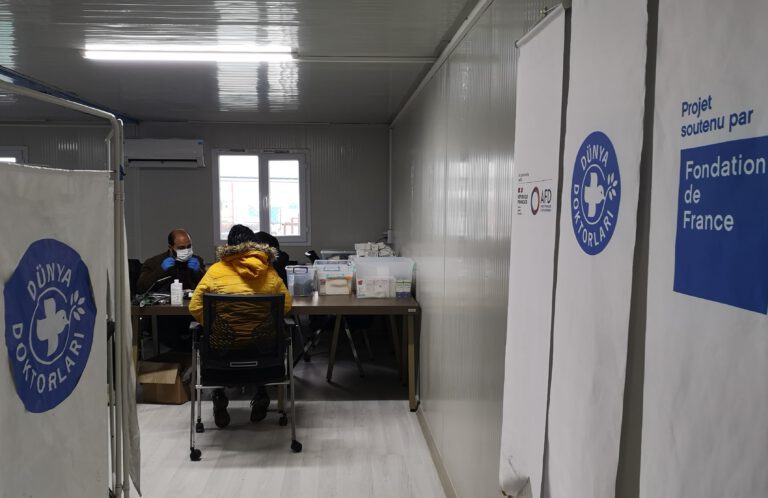
In one district of the city, DDD supported by the French Development Agency, has opened a centre for women and children. Its psychologist is constantly making appointments.
“Many need to come and confide in us, to share everything they have been through. The trauma continues,” explains Aslı Soysal, the DDD Field Coordinator.
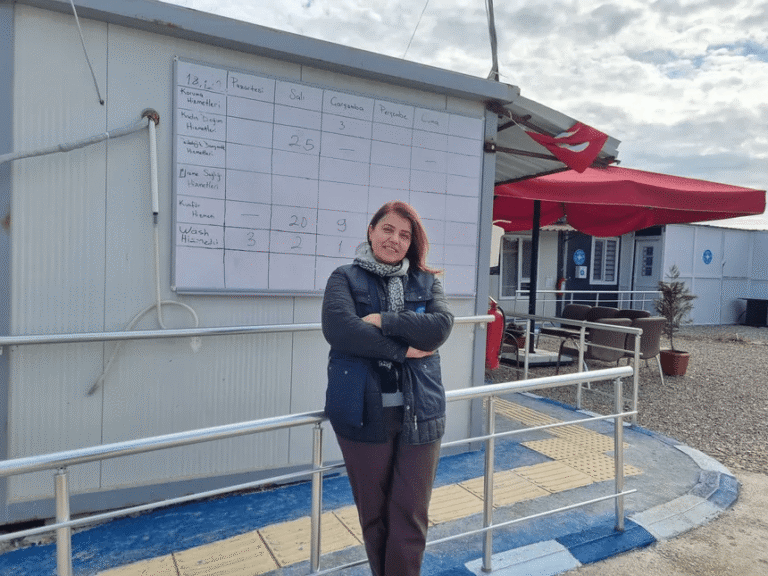
© Radio France Internationale – Marie-Pierre Vérot
Dünya Doktorları's Field Coordinator Aslı Soysal at safe space for women and children in Antakya, Hatay.
”I keep SEEING that moment IN my dreams”
Ilge is waiting to see the psychologist. A student in Cyprus, she is returning to her family for the holidays. She was there on that fateful night of 6 February. She remembers. “It started to shake and we all hugged each other, then everything fell, plates, lamps, books, the library… and we all started screaming. I still see that moment in my dreams. I sleep with my earthquake emergency bag, I don’t like going into old buildings. In fact, I don’t like being indoors anywhere.”
“Here continues the young woman, there are still aftershocks and every time we expect them to get stronger and that scares us so much. When it comes to people, one part of them remains insensitive, while the other part overreacts. They’re trying to get better but, well, every day we talk about it and I can’t take it any more. Every day we talk about what happened and every day we go out into the city and we see this disaster and it depresses us.”
Mustafa sleeps with his wallet and car key. And the city he roams haunts him too.
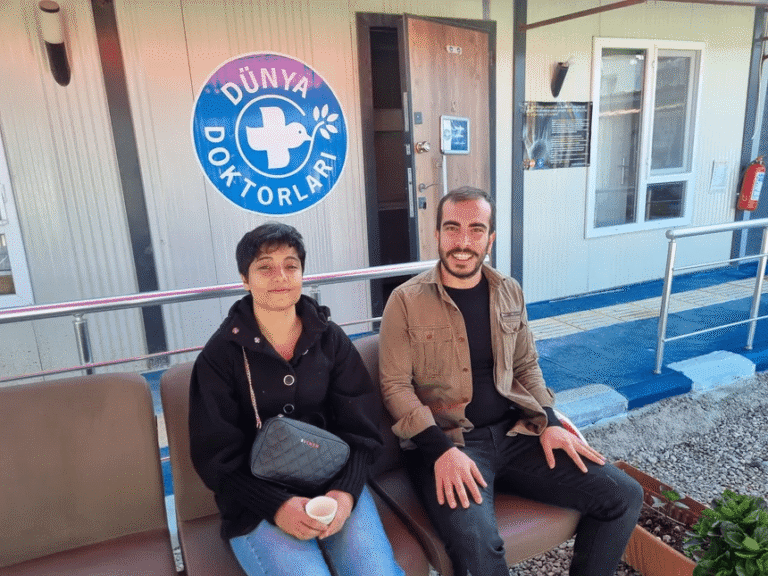
© Radio France Internationale – Marie-Pierre Vérot
İlge and Mustafa are at the safe space established by Dünya Doktorları to meet with the clinical psychologist of the organization in Antakya, Hatay.
”THIS great EMPTINESS FILLS us WITH sadness”
“Emptiness has replaced rubble,” he says. In a year, nothing has changed except for this emptiness in place of the rubble. You can no longer find yourself, because that’s where you used to go, in what is now just an empty space. And when you look at it… memories come flooding back. You see images of the old days, the cafés, the discussions between friends… This great emptiness fills us with sadness”.
These are words collected by Atahan, the psychologist working with the DDD. “It was after 6 or 7 months,” he explains, “when people started to find places to stay, that the psychological problems started to appear. You know, they lost everything in an instant. They can no longer imagine a future. We see anxiety disorders and a lot of depression. But alcohol and drugs are also taking their toll”.
And domestic violence has exploded. In a nearby container, a group of women come to reconnect.
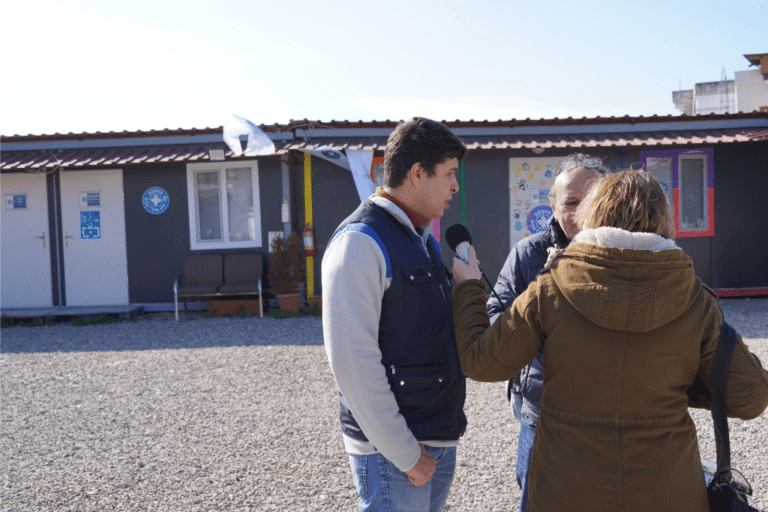
One of the psychologists of Dünya Doktorları interviewing with Marie-Pierre Vérot, one of the journalists working for Radio France, at the organization's safe space in Hatay.
”I have to learn to be a mother AGAIN”
Some of them have taken their washing to be washed, but all of them are there to relieve their stress, they say.
The husbands who have lost their jobs and can no longer take on the role of head of the family, the disputes that break out in the close quarters of the cramped containers that serve as their homes, the children for whom we can no longer stand even the noise they make at play.
“I have to learn to be a mother again,” says one of them. “You socialise, you calm down, you talk about your anxieties and you realise that you’re not alone.” One of them came with her son. “As soon as it rains or the sky gets cloudy, he cries,” she says. He’s afraid of another earthquake. It’s not normal. These moments of sharing are precious. The suicide rate has also risen.
Hundreds of families are also still looking for missing loved ones. It’s impossible to grieve.
Twenty kilometres away, in a small village where she has found refuge, wrapped up in a down jacket in the biting winter cold, Emine Polatoglu sighs, her eyes reddened by tears.
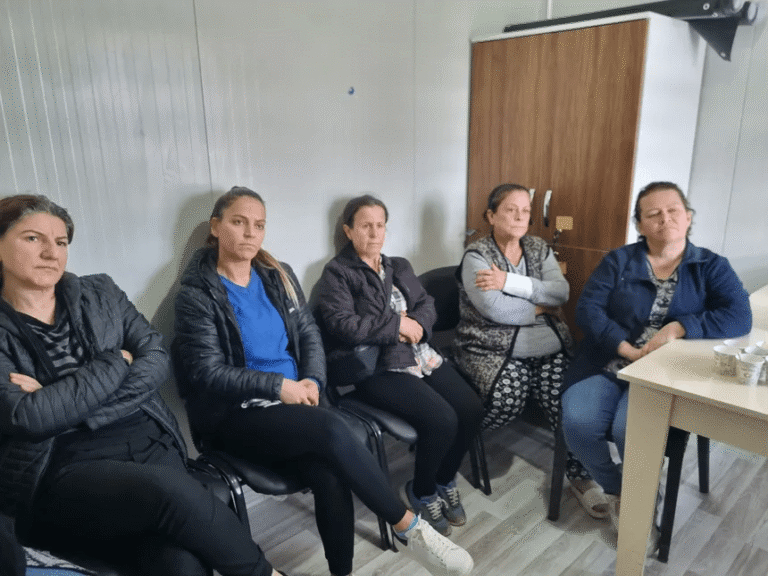
© Radio France Internationale – Marie-Pierre Vérot
Earthquake-affected women visiting Dünya Doktorları's safe space in Antakya to discuss gender-based and domestic violence rising after the disaster.
”Who are the ones who really DIED, those who are under the rubble, or those who came out of IT?”
“Who are the people who really died, those who are under the rubble or those who came out of it? We are dying every day. We have nightmares every night. We keep reliving the same moment. We see the same images over and over again. I can’t forget the neighbours who died, their bodies pulled out of the rubble. We try to live, but we can’t. For you, a year has gone by. A year is a long time, but for us it’s as if it happened yesterday. Time has stopped.”
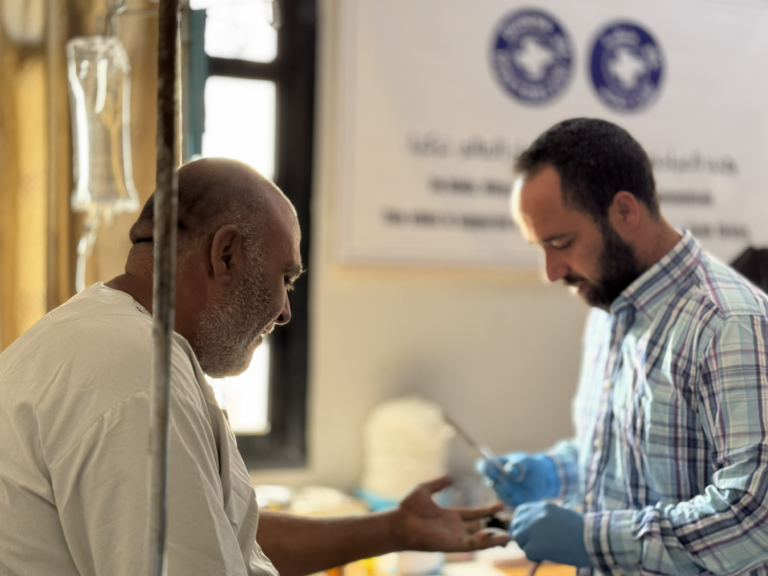
The needs are immense, and a small DDD team is only covering a tiny fraction of them, in this container camp but also with a mobile clinic that reaches out to the surrounding hard-to-reach villages.
© Onurhan Pehlivanoğlu, Dünya Doktorları
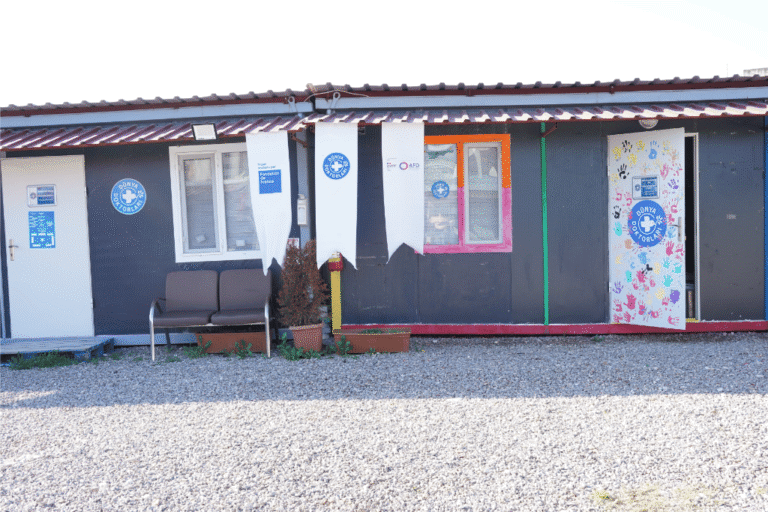
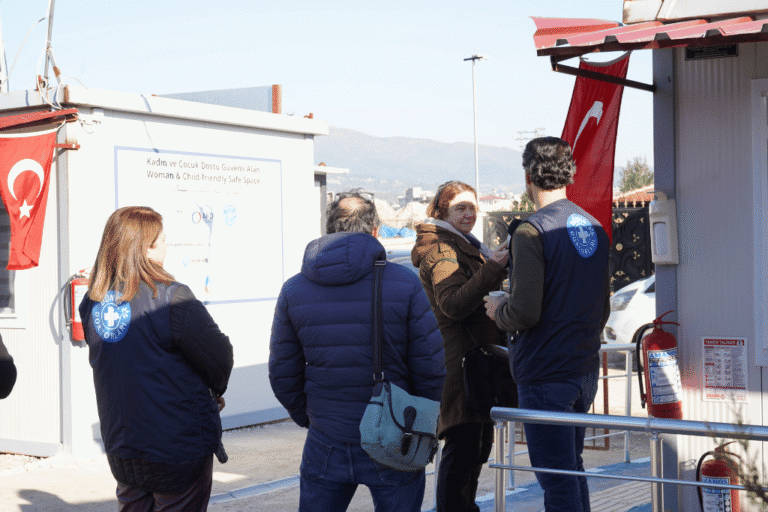
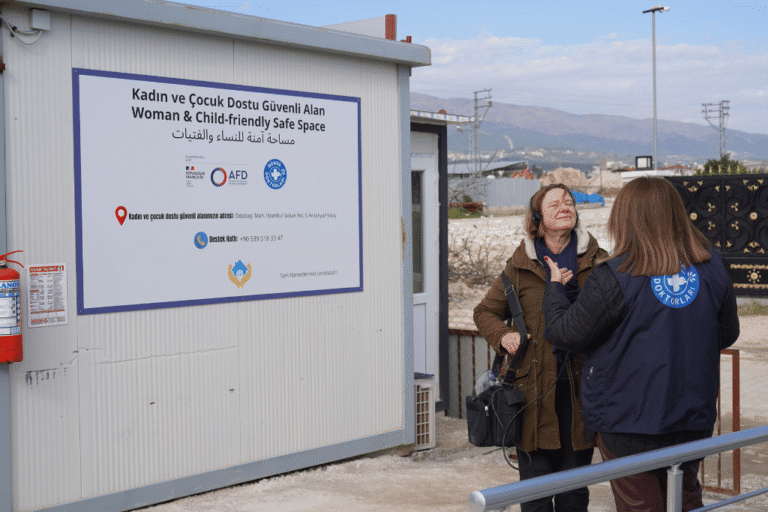
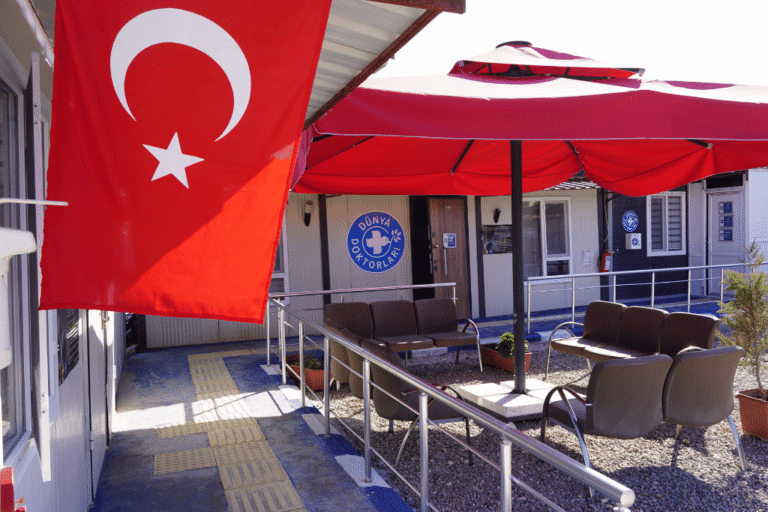
Woman and child-friendly safe space established by Dünya Doktorları just after the February 6 earthquakes that hit the region.
© Onurhan Pehlivanoğlu, Dünya Doktorları
© Onurhan Pehlivanoğlu, Dünya Doktorları
© Onurhan Pehlivanoğlu, Dünya Doktorları
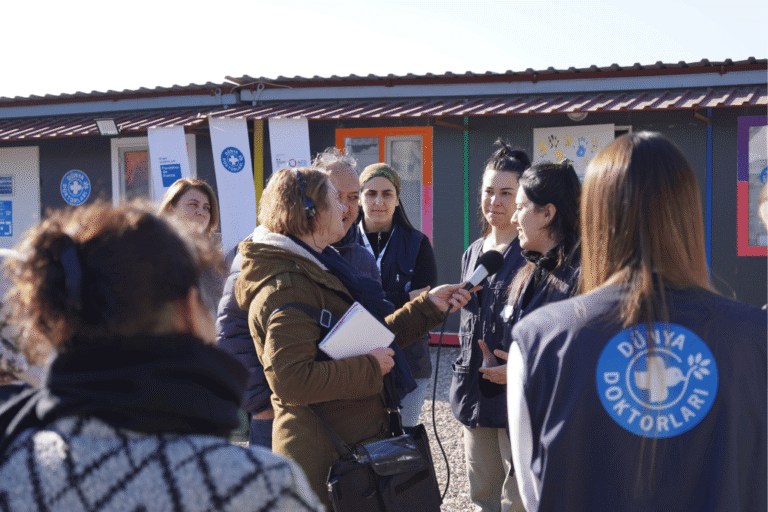
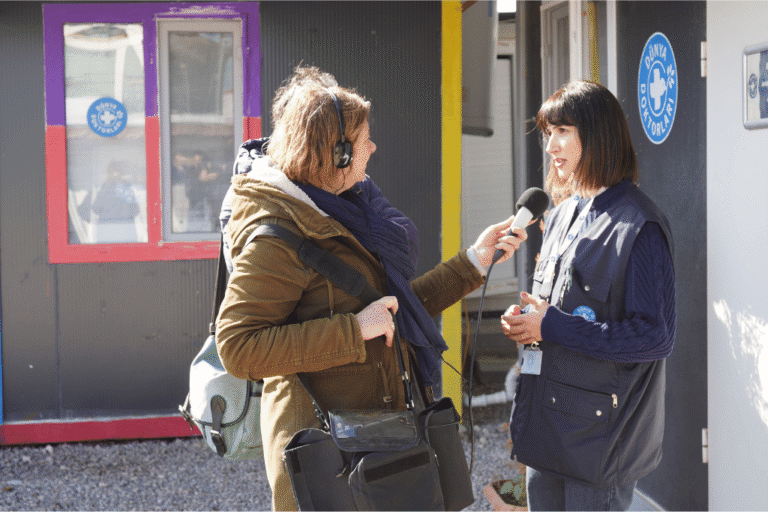
Radio France journalists Marie-Pierre Vérot ve Hayati Başarslan during an interview with Dünya Doktorları's health staff providing medical services in Hatay since the early days of the earthquakes.
© Onurhan Pehlivanoğlu, Dünya Doktorları
© Onurhan Pehlivanoğlu, Dünya Doktorları
Communication Team
- Communication Team, Dünya Doktorları [email protected]