



The impact of barriers to health
on Syrians and migration in Türkiye
“We live in a tent. Sometimes the children get the flu, and I have to take my children to the hospital, but they ask for an examination fee. Our financial situation is very bad; we cannot afford it.”
Summary
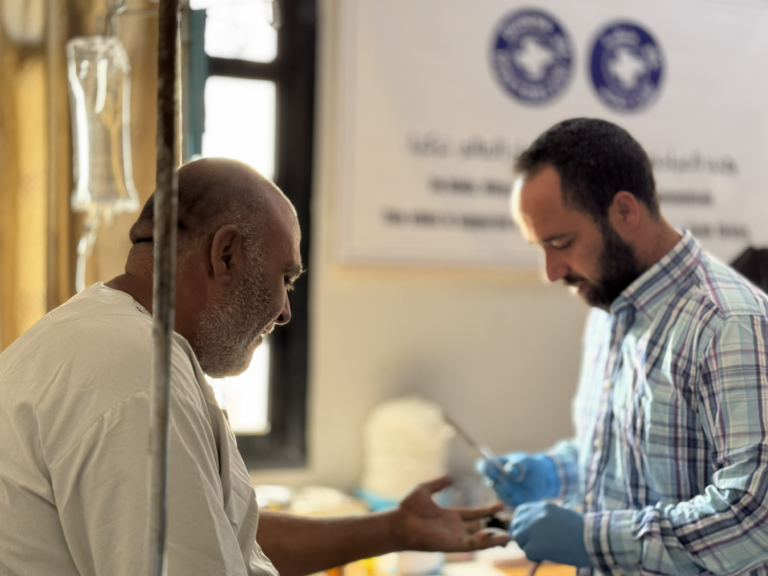
Since 1 January 2026, Syrians under Temporary Protection are no longer able to access public healthcare services free of charge. This includes Primary Health Care (PHC) services, medicines, and secondary and tertiary care. The introduction of mandatory health contribution fees and healthcare service payments has significantly reduced access to healthcare for Syrians under Temporary Protection (SuTP).
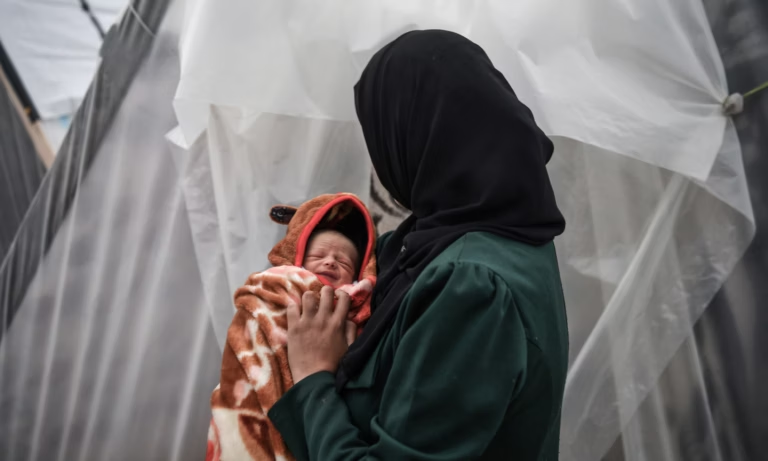
While legally Syrians are able to access these healthcare services, practical access has deteriorated because of the costs now being charged particularly for uninsured and impoverished Syrians. These changes in legislation are directly impacting the most vulnerable: women, children and elderly Syrian people in Türkiye.
A 21-year-old Syrian woman under temporary protection applied to a public hospital to give birth to her second child. She believed that the delivery and surgical procedure would be free of charge. However, after undergoing a cesarean section, she was presented with a bill of 26,000 TL at the time of discharge. She was informed that her health insurance was not active and that she would not be allowed to leave the hospital without making the payment.
Evidence from Izmir and Hatay where DDD works shows that financial, administrative, and information barriers are already resulting in delayed care, avoidance of services, increased emergency reliance, and harmful coping mechanisms.
These trends pose immediate risks to individual health and lives, undermine public health objectives, and carry broader implications for migration as people will be forced to travel to other countries to seek services. While some may try to return to Syria, the country’s infrastructure including healthcare are on the verge of collapse with only half of hospitals functional and water and sewage systems in desperate need of repair according to the WHO. 16.5 million people are expected to require humanitarian assistance in 2026 due to economic collapse, disease outbreaks, displacement, and damaged health infrastructure. As such, the desperate Syrians may also risk the dangerous journey to Europe in search of security.
Read the full report to learn more.
The impact of barriers to health on Syrians and migration in Türkiye
PRESS CONTACT
- DDD Communication Team [email protected]