

WEST BANK: "OUR GREATEST FEAR IS NOT ONLY LOSING OUR HOMES, BUT ALSO OUR HISTORY, OUR IDENTITY, AND OUR FUTURE"
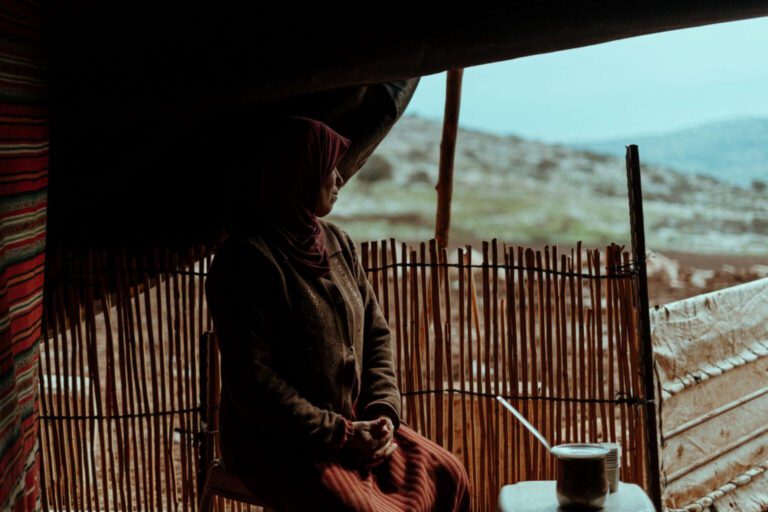
While the international community has recently recognized the State of Palestine and continues to discuss a two-state solution, the annexation of the West Bank by Israel is accelerating. Violence, harassment, demolitions, expropriations: the population lives in constant fear.
How can a state exist without territory? And how can people maintain their mental well-being in a context of ongoing violence and uncertainty? Working daily with affected communities, our colleagues from the mental health unit of Médecins du Monde (MdM) International Network bear witness to this reality.
VOICES FROM THE FIELD
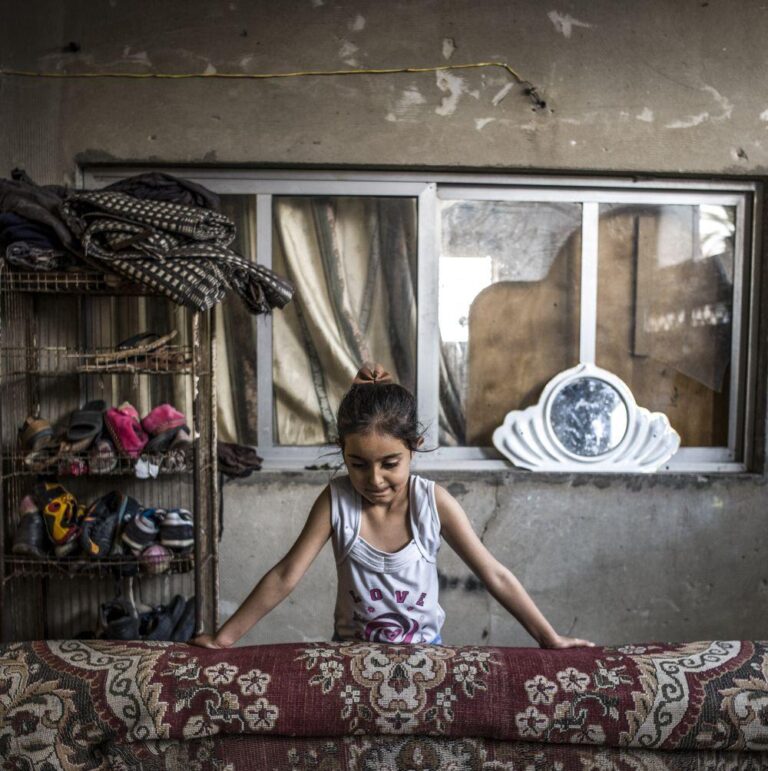
“Fear is part of daily life for people living under occupation. Families face constant insecurity and instability. They know that military incursions or forced displacements can happen at any moment. Their greatest fear is that their children will be injured, arrested, or assaulted. This fear shapes every aspect of their lives, from daily routines to their vision of the future.”
Testimony from a social worker from MdM International Network in the Aqbat Jabr camp
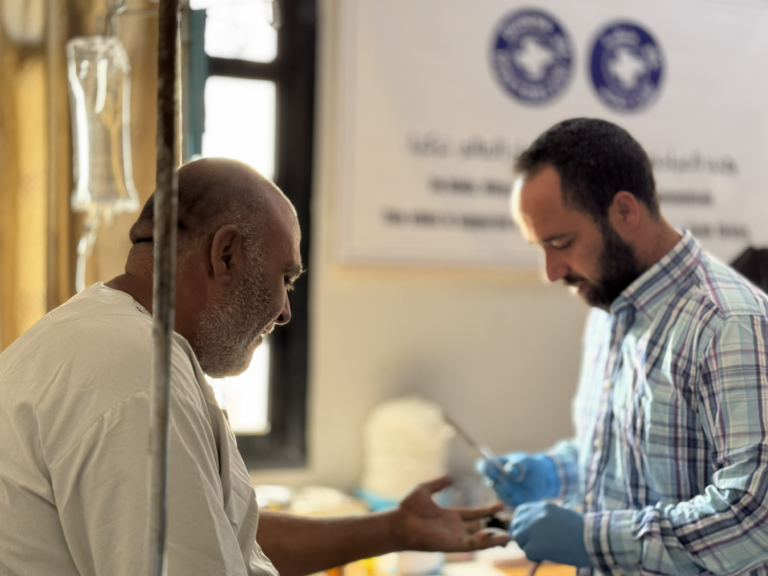
© Olivier Papegnies
“We went to collect some belongings and check the state of the house. Before we arrived, the army started shooting at us, and my mother was hit. I began to cry, pleading: ‘Don’t do this to me, don’t die.’”
Testimony from a young woman forcibly displaced by MdM from Jenin camp to the village of Birqin
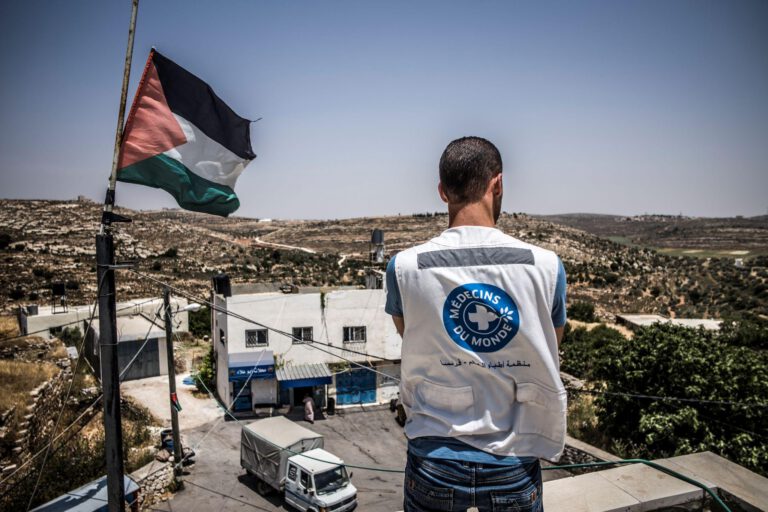
“The army keeps telling civilians: ‘We will come back.’ They say it to the children, too. They constantly try to keep the population under pressure, living in perpetual fear of the army’s return and the next raid. All these factors place people in a state of constant stress and tension, awaiting the next incursion.”
Testimony from an MdM social worker serving refugee communities in Jenin, Tulkarem, Nur Shams, and Al Fawwar camps
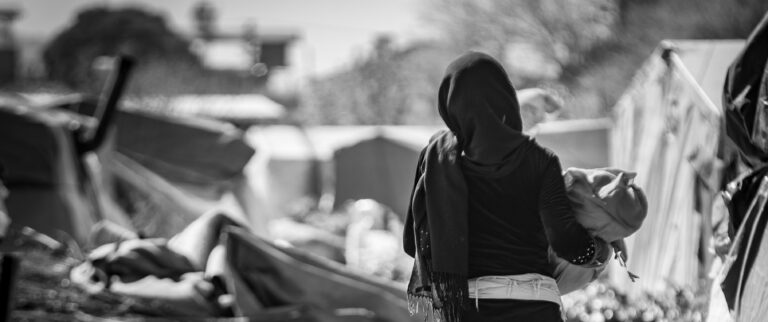
© Olivier Papegnies
“We observe a significant regression in children’s development, especially in those who had reached certain milestones, such as separating from their parents or sleeping alone in their rooms. For example, children who had been able to use the toilet independently are now wetting the bed.”
Testimony from an MdM psychologist in Al Fawwar camp
“We intervened with an elderly woman who had been shot in the neck by Israeli forces. She is 73 years old. They were very aggressive and violent with her. This woman only had two dresses at home, very precious and dating back to the 1970s. The soldiers took them and tore them apart in front of her.”
Testimony from an MdM social worker serving refugee communities in Jenin, Tulkarem, Nur Shams, and Al Fawwar camps
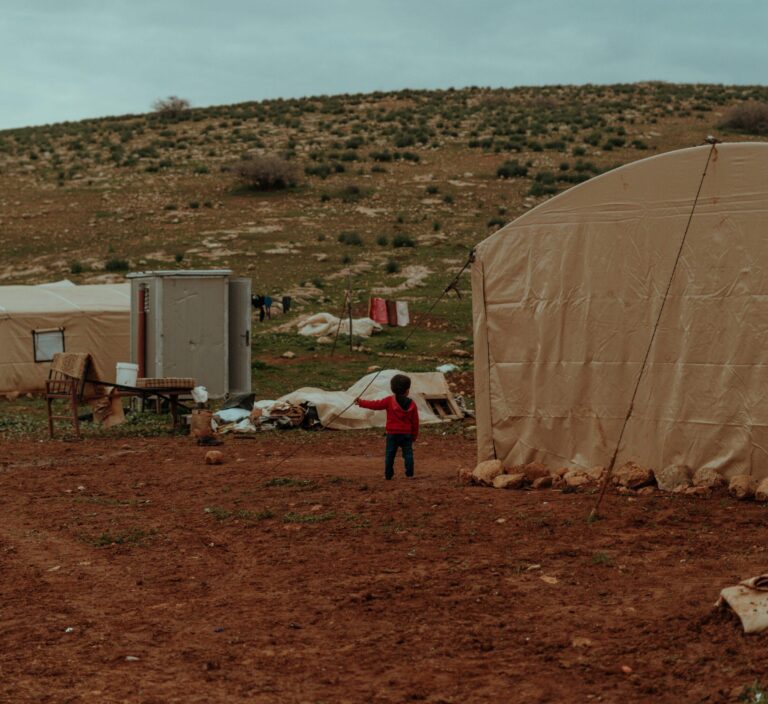
“Mental health and psychosocial interventions should be carried out after attacks. The problem here in Palestine is that incidents never stop. Attacks are ongoing, and the same violence keeps repeating.”
Testimony from an MdM social worker serving communities in Nur Shams and Al Fawwar camps
“During military raids, parents are sometimes not with their children to protect them. Imagine how difficult this separation can be. The frequency and unpredictability of attacks make this experience particularly distressing for anyone who may be separated from their loved ones at any moment.”
Testimony from an MdM social worker in Al Fawwar camp
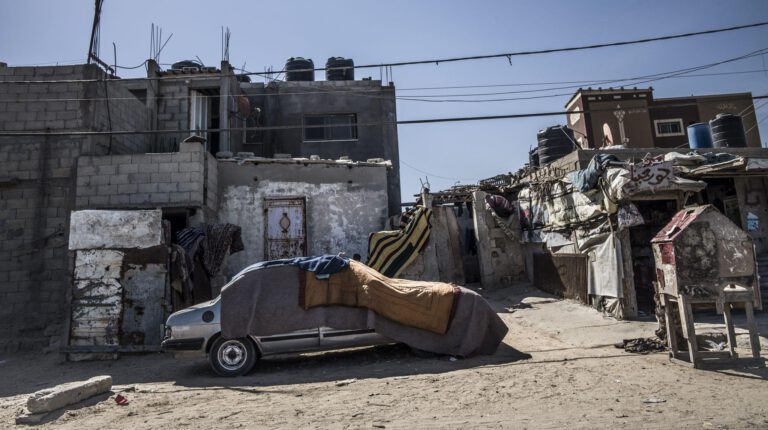
© Olivier Papegnies
“On the first day of intervention after the attack on Nur Sham camp, we met the parents of a five-year-old girl. Israeli forces entered her home and fired inside. She hid under her bed covers and stayed there for three days without eating or speaking. She still does not talk to anyone. They entered her room and fired inside. The sound of gunfire is loud and terrifying.”
Testimony from an MdM social worker in Nur Sham
“Israeli soldiers killed Palestinians and left their bodies lying in the street for two or three days, preventing anyone, including ambulances, from touching or removing them. Neighbors even tried to intervene, but snipers aimed their lasers to deter them. Neighbors saw dogs come and eat their bodies.”
Testimony from an MdM social worker serving refugee communities in Jenin and Tulkarem
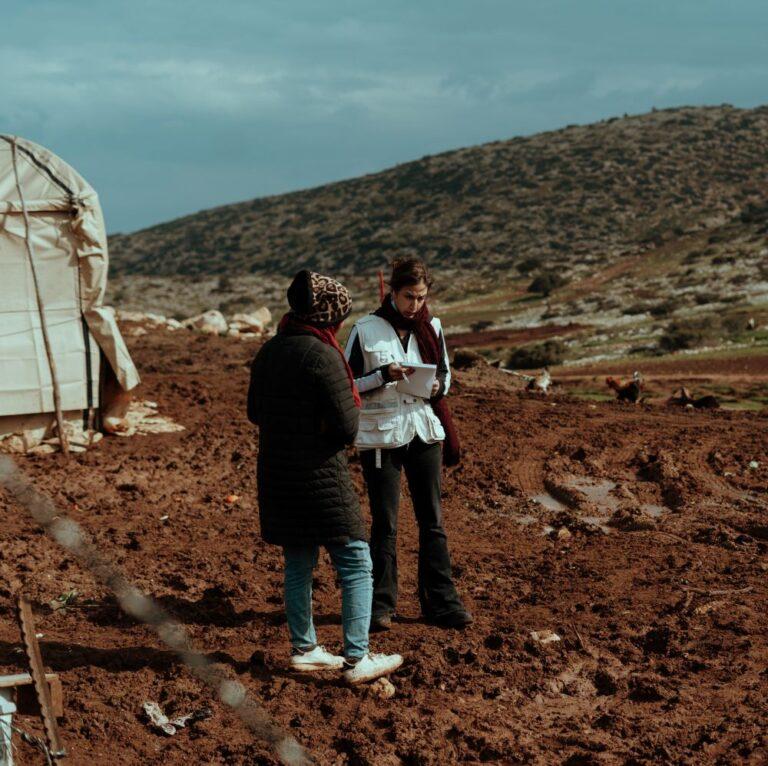
© Alaa Ali Abdallah
“Although children did not witness the demolition itself, they are determined to return to the site once they understand the situation. They ask difficult questions: ‘Why was the house destroyed? Why did they take it? Why can’t we go back?’ Parents explain that the place is no longer safe. Children try to make sense of events that even adults struggle to explain.”
Testimony from an MdM social worker in Aqbat Jabr camp
“If nothing is done to protect the inhabitants of Gaza, nothing will happen for us in the West Bank. We want an end to all these attacks, but no government stops the mass atrocities committed in Gaza. That is why we know there is no hope for the West Bank.”
Testimony from a MdM social worker serving refugee communities in Jenin and Tulkarem camps